Rwanda, DR Congo talks move into ‘phase two’
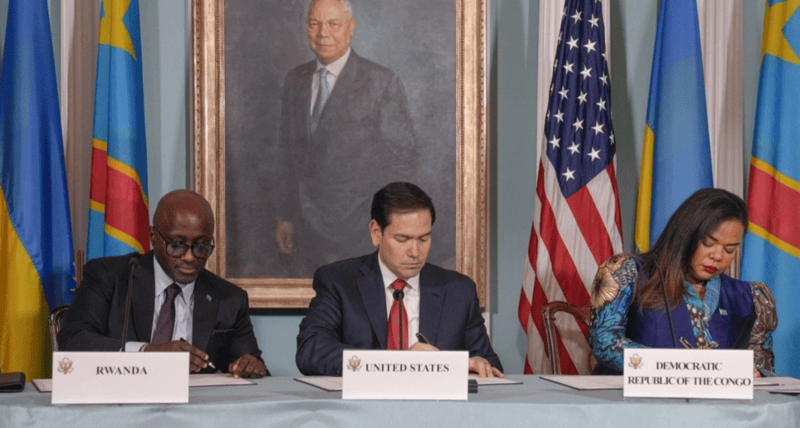
The Washington-brokered peace agreement seeks to rebuild trust, address persistent disputes, and strengthen security and bilateral ties between Rwanda and DR Congo.
Rwandan and DR Congo officials on Thursday, November 20, opened discussions on phase two of the operations order aimed at implementing the harmonised plan for neutralising the FDLR, and the lifting of Rwanda’s defensive measures, in line with the Washington Peace Agreement signed by both countries in June.
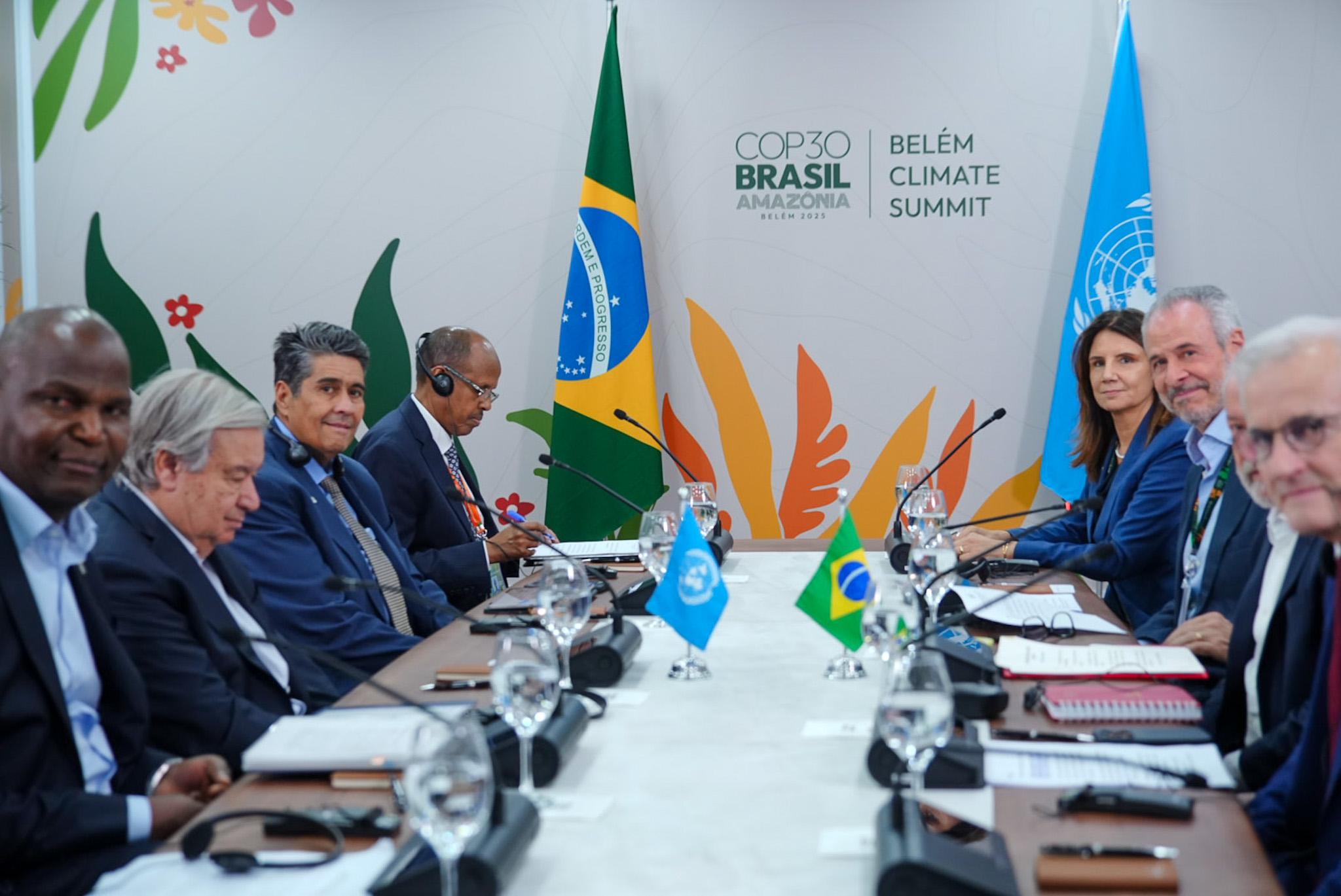
The latest meeting, held in Washington, brought together representatives from the two nations, alongside officials from the United States, Qatar, Togo (serving as the African Union mediator), and the African Union Commission.
More To Read
- In eastern DR Congo's Uvira, war scars linger as calm cautiously returns
- Peace falters as fighting in eastern DR Congo raises fears of regional war
- AU warns of rising violence in DR Congo and Great Lakes region amid M23 advance
- Burundi closes border with DR Congo after M23 enters Uvira, sources say
- Eastern DR Congo fighting kills scores, cuts food aid and drives mass displacement
- M23 rebels capture eastern DR Congo city of Uvira as thousands flee to Burundi
The officials who met on Thursday make up the Joint Security Coordination Mechanism (JSCM) for the peace agreement. The mechanism requires both countries to cooperate closely, alongside regional and international partners, to promote stability, security, and development across the region, while recognising the interconnected nature of peace and prosperity.
According to a joint statement by the participating nations, the committee assessed progress made under phase one and took steps toward the next stage of implementation.
“JSCM members reviewed progress on phase one and began discussions on phase two, including actions to neutralise the FDLR and lift Rwanda’s defensive measures,” it read.
A key priority of the mechanism is the neutralisation of the FDLR, a genocidal militia operating in eastern DR Congo with support from the Kinshasa regime. The FDLR consists of remnants of the perpetrators of the 1994 Genocide against the Tutsi who fled to then Zaire after being defeated by the Rwanda Patriotic Army.
For decades, the militia has carried out cross-border attacks, killings, and destruction of infrastructure, posing consistent threats to Rwanda’s security and undermining tourism.
The neutralisation of the FDLR is anticipated to allow Rwanda to gradually ease its defensive measures, creating space for broader efforts aimed at resolving longstanding tensions between the two neighbours.
The Washington-brokered peace agreement seeks to rebuild trust, address persistent disputes, and strengthen security and bilateral ties between Rwanda and DR Congo.
It is also designed to be complemented by the Qatar-mediated peace process between the Congolese government and the AFC/M23 movement, aimed at tackling the underlying drivers of the eastern DR Congo crisis.
Top Stories Today